

Understanding and using similes effectively can boost your descriptive skills. Similes for Hungry create vivid comparisons, making your language more engaging and relatable
This article focuses specifically on similes used to describe hunger, providing a comprehensive guide suitable for English language learners, writers, and anyone looking to expand their vocabulary and improve their communication skills. By exploring a variety of similes related to hunger, you’ll gain a deeper understanding of how to use figurative language to paint a more compelling picture with your words.
Introduction
Similes are a powerful tool in the English language, allowing us to paint vivid pictures and convey emotions effectively. When describing a state as universal as hunger, similes can add depth and nuance that simple adjectives might miss.
This article is designed to explore the world of similes specifically related to hunger, providing you with a rich collection of examples and a deeper understanding of how to use them effectively. Whether you’re a student aiming to improve your writing, a writer seeking inspiration, or simply someone who enjoys the beauty of language, this guide will equip you with the knowledge and resources to master the art of using similes to describe hunger.
Definition of Simile
A simile is a figure of speech that compares two unlike things using the words “like” or “as.” Its primary function is to create a vivid image or emphasize a particular quality by drawing a parallel between something familiar and something that might be less so. Similes are a type of figurative language, meaning they use words or expressions with a meaning that is different from the literal interpretation.
They are commonly used in literature, poetry, and everyday conversation to make descriptions more engaging and understandable.
Classification and Function
Similes fall under the broader category of figurative language, which also includes metaphors, personification, and hyperbole. Unlike metaphors, which directly equate two things, similes acknowledge the difference between the two things being compared.
The function of a simile is to illuminate a specific characteristic or quality of the subject by relating it to something else. For example, saying someone is “as hungry as a bear” highlights the intensity of their hunger by comparing it to the famously voracious appetite of a bear.
Contexts for Using Similes
Similes can be used in a wide variety of contexts, from formal writing to casual conversation. In literature, they are often used to create imagery, develop characters, and enhance the overall tone of a piece.
In everyday speech, similes can add color and humor to our conversations, making them more engaging and memorable. When choosing a simile, it’s important to consider your audience and the overall tone of your communication.
A simile that is appropriate in a casual setting might not be suitable for a formal presentation.
Structural Breakdown of Similes
The basic structure of a simile involves three key components: the subject (the thing being described), the linking word (either “like” or “as”), and the object of comparison (the thing to which the subject is being compared). Understanding this structure is crucial for creating effective and grammatically correct similes.
Subject
The subject is the person, place, thing, or idea that you are describing. In the context of hunger, the subject is usually someone who is feeling hungry or the feeling of hunger itself.
For instance, in the simile “He was as hungry as a wolf,” the subject is “He.”
Linking Word
The linking word is the word that connects the subject and the object of comparison. The two most common linking words used in similes are “like” and “as.” Both words serve the same purpose, but “as” is often preferred when the comparison involves an adjective.
For example, “as hungry as” is more common than “like hungry.”
Object of Comparison
The object of comparison is the thing to which the subject is being compared. This is the element that provides the vivid image or emphasizes the particular quality you want to highlight.
In the example “She was as hungry as a horse,” the object of comparison is “a horse,” known for its large appetite.
Types of Similes for Hunger
Similes for hunger can be categorized based on the intensity of hunger they convey and the imagery they evoke. Some similes suggest a mild hunger, while others describe an extreme or ravenous appetite.
Understanding these categories can help you choose the most appropriate simile for a given situation.
Similes Suggesting Mild Hunger
These similes are used to describe a slight feeling of hunger, often before a regular mealtime. They are less dramatic and more suitable for everyday situations.
Similes Suggesting Intense Hunger
These similes are used to describe a strong or urgent feeling of hunger, often after a long period without food. They are more dramatic and evoke a sense of desperation.
Similes Evoking Specific Imagery
These similes use specific images or scenarios to describe hunger, creating a more vivid and memorable impression. They often draw on cultural references or common experiences.
Examples of Similes for Hungry
This section provides a comprehensive list of similes used to describe hunger, categorized by the intensity of the feeling and the imagery they evoke. Each example is designed to illustrate the versatility and effectiveness of similes in conveying the experience of hunger.
Table 1: Similes Describing Mild Hunger
The following table presents similes that depict a subtle or manageable level of hunger. These are perfect for describing a light appetite or the initial stages of feeling hungry.
| Simile | Explanation |
|---|---|
| As peckish as a bird | Refers to the small, frequent meals of birds. |
| Like having a small rumble in your stomach | Describes the quiet, initial sensation of hunger. |
| As hungry as a kitten | Suggests a gentle, playful hunger. |
| Like needing a little something to tide you over | Implies a desire for a small snack to bridge the gap until the next meal. |
| As ready for lunch as a schoolchild | Evokes the anticipation and mild hunger of a child awaiting lunchtime. |
| Like wanting a light snack | A straightforward expression of a mild desire for food. |
| As eager for a bite as a squirrel for a nut | Compares the feeling to a squirrel’s eagerness to find and eat a nut, suggesting a mild craving. |
| Like feeling a gentle gnawing in your stomach | Describes a soft, persistent feeling of hunger. |
| As if your stomach is just starting to wake up | Suggests the very beginning of feeling hungry. |
| Like needing a little fuel to keep going | Compares the need for food to the need for fuel, suggesting a mild dip in energy. |
| As hungry as a hibernating animal waking up | Implies a gradual awakening of appetite after a period of inactivity. |
| Like having a soft craving for something sweet | Describes a gentle desire specifically for sugary foods. |
| As if your stomach is sending a little reminder | Suggests a subtle hint from your body that it’s time to eat. |
| Like feeling a slight emptiness inside | Describes the sensation of a stomach that isn’t completely full. |
| As hungry as someone waiting for their coffee | Compares the feeling to the mild craving someone might have for their morning coffee. |
| Like wanting just a taste of something | Suggests a desire for a small portion of food. |
| As if your stomach is gently nudging you | Describes a soft, persistent feeling of hunger. |
| Like feeling a faint pang of hunger | Implies a weak and temporary feeling of hunger. |
| As ready for a snack as a student after class | Evokes the mild hunger of a student finishing a class. |
| Like needing a small treat to lift your spirits | Compares the need for food to a desire for comfort or pleasure. |
| As hungry as a child waiting for dessert | Suggests a gentle, anticipatory hunger. |
| Like feeling a tiny void in your stomach | Describes a small, empty feeling in the stomach. |
| As if your stomach is sending a quiet message | Implies a subtle hint from your body that it’s time to eat. |
| Like needing a little something to keep you satisfied | Suggests a desire for a small amount of food to maintain comfort. |
| As eager for a nibble as a mouse for cheese | Compares the feeling to a mouse’s eagerness to find and eat cheese, suggesting a mild craving. |
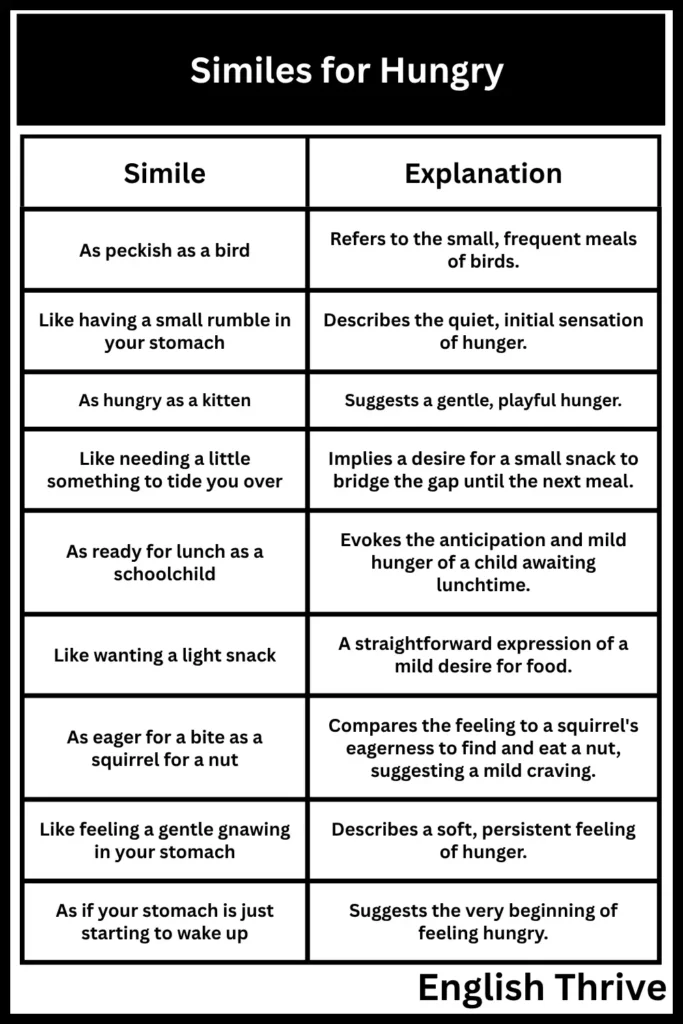
Table 2: Similes Describing Intense Hunger
The following table showcases similes that vividly portray a strong and urgent need for food. These are suitable for describing situations where someone has gone a long time without eating or is experiencing extreme hunger.
| Simile | Explanation |
|---|---|
| As hungry as a wolf | Suggests a ravenous, insatiable hunger. |
| Like having a bottomless pit for a stomach | Implies an inability to feel full, no matter how much one eats. |
| As hungry as a bear coming out of hibernation | Evokes the intense hunger of an animal that has gone without food for a long period. |
| Like you could eat a horse | An exaggeration used to express extreme hunger. |
| As ravenous as a pack of wild dogs | Compares the feeling to the fierce hunger of a group of wild dogs. |
| Like your stomach is eating itself | A vivid description of the painful sensations of extreme hunger. |
| As empty as a deserted island | Suggests a profound sense of emptiness and need. |
| Like you haven’t eaten in days | Emphasizes the prolonged period without food. |
| As famished as a shipwrecked sailor | Evokes the desperation and intense hunger of someone stranded at sea. |
| Like your insides are screaming for food | A dramatic description of the urgent need for nourishment. |
| As hungry as a lion after a hunt | Compares the feeling to the intense hunger of a predator after expending energy. |
| Like your stomach is a black hole | Implies an insatiable hunger that cannot be filled. |
| As if you could devour anything in sight | Suggests a willingness to eat anything, regardless of taste. |
| Like your body is begging for sustenance | Emphasizes the physical need for nourishment. |
| As starved as a stray animal | Evokes the image of a neglected and hungry creature. |
| Like you could eat the table | An exaggeration used to express extreme hunger and a lack of restraint. |
| As ravenous as a locust swarm | Compares the feeling to the destructive hunger of a large group of locusts. |
| Like your stomach is growling like a wild beast | A vivid description of the loud and insistent sounds of hunger. |
| As empty as a barren wasteland | Suggests a profound sense of emptiness and deprivation. |
| Like you’re wasting away from hunger | Highlights the physical effects of prolonged hunger. |
| As hungry as a marathon runner at the finish line | Evokes the intense physical need for replenishment after extreme exertion. |
| Like your stomach is a rumbling volcano | A dramatic description of the loud and insistent sounds of hunger. |
| As if you could swallow the world whole | Suggests an overwhelming and insatiable hunger. |
| Like your insides are aching for nourishment | Emphasizes the physical discomfort of extreme hunger. |
| As starved as someone lost in the desert | Evokes the image of someone suffering from extreme deprivation and need. |
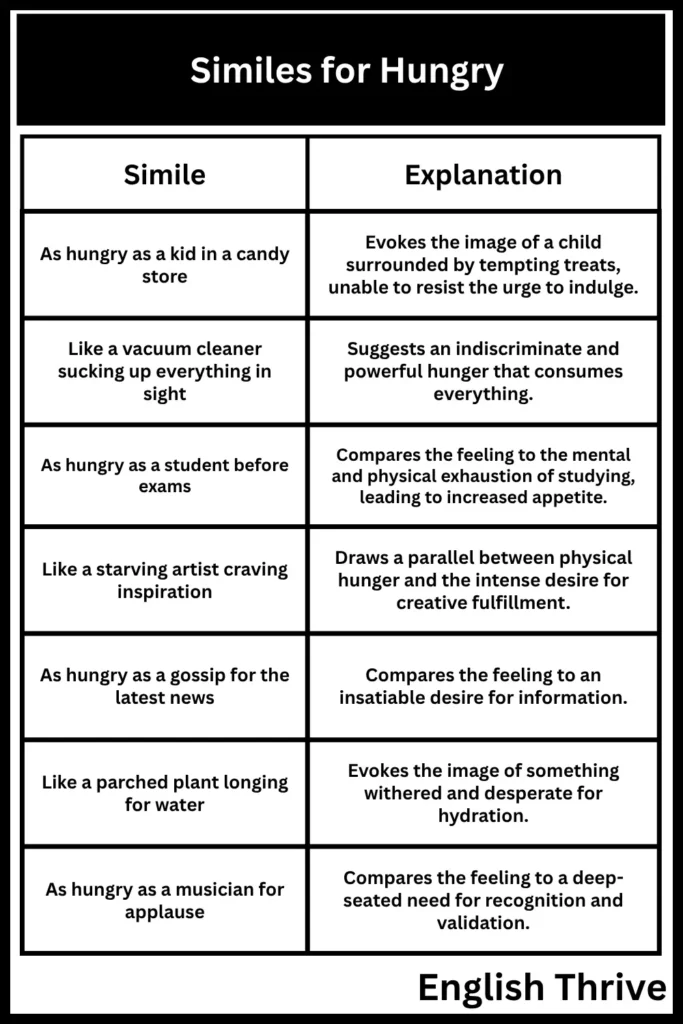
Table 3: Similes Evoking Specific Imagery of Hunger
The following table includes similes that use specific images and scenarios to describe hunger, creating a more vivid and memorable impression. These similes often draw on cultural references or common experiences to enhance their impact.
| Simile | Explanation |
|---|---|
| As hungry as a kid in a candy store | Evokes the image of a child surrounded by tempting treats, unable to resist the urge to indulge. |
| Like a vacuum cleaner sucking up everything in sight | Suggests an indiscriminate and powerful hunger that consumes everything. |
| As hungry as a student before exams | Compares the feeling to the mental and physical exhaustion of studying, leading to increased appetite. |
| Like a starving artist craving inspiration | Draws a parallel between physical hunger and the intense desire for creative fulfillment. |
| As hungry as a gossip for the latest news | Compares the feeling to an insatiable desire for information. |
| Like a parched plant longing for water | Evokes the image of something withered and desperate for hydration. |
| As hungry as a musician for applause | Compares the feeling to a deep-seated need for recognition and validation. |
| Like a moth drawn to a flame | Suggests an irresistible attraction to food, despite potential consequences. |
| As hungry as a bookworm for knowledge | Compares the feeling to an insatiable thirst for learning. |
| Like a sponge soaking up every drop | Suggests an eagerness to absorb and consume everything available. |
| As hungry as a traveler after a long journey | Evokes the image of someone exhausted and in need of replenishment after a strenuous trip. |
| Like a garden yearning for sunshine | Draws a parallel between physical hunger and the need for essential elements to thrive. |
| As hungry as a bee for nectar | Compares the feeling to an instinctive and urgent need for sustenance. |
| Like a dry riverbed longing for rain | Evokes the image of something barren and desperate for revitalization. |
| As hungry as a politician for power | Compares the feeling to an insatiable desire for control and influence. |
| Like a shadow clinging to the dark | Suggests a persistent and inescapable feeling of hunger. |
| As hungry as a heart longing for love | Draws a parallel between physical hunger and the emotional need for affection. |
| Like an addict craving their fix | Compares the feeling to an intense and uncontrollable desire. |
| As hungry as a writer for inspiration | Evokes the image of someone desperately seeking creative ideas. |
| Like a plant reaching for the sun | Suggests an instinctive and urgent need for sustenance. |
| As hungry as a child on Christmas morning | Implies a strong anticipation and excitement for something desirable. |
| Like a ship lost at sea, searching for land | Evokes a sense of desperation and a need for direction or resolution. |
| As hungry as a flower craving sunlight | Highlights an essential need for survival and nourishment. |
| Like a desert traveler dreaming of an oasis | Implies a longing for relief and satisfaction after a period of deprivation. |
| As hungry as a newborn baby | Compares the feeling to a fundamental and instinctive need for sustenance. |
Usage Rules for Similes
While similes are generally straightforward, there are some rules and guidelines to follow to ensure they are used effectively and appropriately.
Clarity
The most important rule is to ensure that your simile is clear and easy to understand. The comparison should be obvious and relevant to the context.
Avoid using obscure or overly complex comparisons that might confuse your audience.
Relevance
The object of comparison should be relevant to the subject and the quality you are trying to emphasize. A random or unrelated comparison will not be effective and might even detract from your message.
Originality
While common similes can be useful, try to create original similes whenever possible. This will make your writing more engaging and memorable.
Think about specific details and unique qualities that you can use to create fresh and interesting comparisons.
Appropriateness
Consider your audience and the overall tone of your communication when choosing a simile. A simile that is appropriate in a casual setting might not be suitable for a formal presentation.
Avoid using offensive or insensitive comparisons.
Common Mistakes When Using Similes
Even experienced writers sometimes make mistakes when using similes. Being aware of these common errors can help you avoid them in your own writing.
Mixing Metaphors and Similes
One common mistake is to inadvertently mix metaphors and similes. Remember that a simile uses “like” or “as” to compare two things, while a metaphor directly equates them.
Avoid using language that combines these two figures of speech in a confusing way.
Incorrect: He was a wolf as hungry as a bear.
Correct: He was as hungry as a wolf.
Correct: He was a wolf, driven by hunger.
Using Clichés
Overusing clichés can make your writing sound unoriginal and uninspired. While common similes can be useful, try to avoid relying on them too heavily.
Instead, strive to create fresh and interesting comparisons that will capture your audience’s attention.
Cliché: As hungry as a horse.
Original: As hungry as a newborn foal trying to find its mother.
Illogical Comparisons
Make sure that your comparison is logical and makes sense. Avoid using similes that are based on faulty reasoning or inaccurate information.
Incorrect: As hungry as a rock.
Correct: As hungry as a bird.
Unclear Comparisons
Your simile should be clear and easy to understand. Avoid using obscure or overly complex comparisons that might confuse your audience.
Unclear: As hungry as a quark.
Clear: As hungry as a wolf.
Practice Exercises
Test your knowledge of similes for hunger with these practice exercises. Choose the best simile to complete each sentence or create your own simile based on the given prompt.
Exercise 1: Fill in the Blank
Complete the following sentences with an appropriate simile from the list below.
Simile Options: as hungry as a wolf, like a bottomless pit, as hungry as a bear coming out of hibernation, like you could eat a horse, as ravenous as a pack of wild dogs
| Question | Answer |
|---|---|
| 1. After hiking all day, I was ______________. | as hungry as a wolf |
| 2. My teenage son’s appetite is ______________. | like a bottomless pit |
| 3. After fasting for a day, she felt ______________. | as hungry as a bear coming out of hibernation |
| 4. I skipped breakfast, and now I feel ______________. | like you could eat a horse |
| 5. The team was ______________ after winning the championship. | as ravenous as a pack of wild dogs |
| 6. Having not eaten for 24 hours, I felt __________. | as hungry as a wolf |
| 7. The growing child ate non-stop, his stomach felt __________. | like a bottomless pit |
| 8. After months of not eating properly, the stray dog felt __________. | as hungry as a bear coming out of hibernation |
| 9. The smell of the food made me feel __________. | like you could eat a horse |
| 10. The football team looked __________, eager to eat after training. | as ravenous as a pack of wild dogs |
Exercise 2: Create Your Own Simile
Write a simile to describe the feeling of hunger in each of the following scenarios.
| Scenario | Your Simile |
|---|---|
| 1. Waiting for a delayed flight at the airport. | As hungry as a traveler stranded in an airport, longing for a decent meal. |
| 2. Finishing a long and difficult exam. | As hungry as a student after battling through a grueling exam, needing to replenish their energy. |
| 3. Working through lunchtime to meet a deadline. | As hungry as a worker bee, buzzing with the need to complete the task at hand. |
| 4. Waking up after a camping trip without any food. | As hungry as a camper waking up to an empty campsite, yearning for a hearty breakfast. |
| 5. Completing a marathon. | As hungry as a marathon runner at the finish line, craving immediate sustenance. |
| 6. After a long day of yard work. | As hungry as a gardener after a long day of yard work, ready for a hearty meal. |
| 7. After a strenuous workout. | As hungry as an athlete after a strenuous workout, needing to replenish energy and nutrients. |
| 8. After a day of fasting. | As hungry as a monk after a day of fasting, eager to break the fast with a nourishing meal. |
| 9. After being sick for a few days. | As hungry as a patient recovering from an illness, craving something easily digestible and comforting. |
| 10. After missing several meals. | As hungry as a castaway who hasn’t seen food in days. |
Advanced Topics: Nuances and Subtleties
For advanced learners, understanding the nuances and subtleties of using similes can elevate your writing to a higher level. This involves paying attention to the cultural context, emotional impact, and creative potential of your comparisons.
Cultural Context
The effectiveness of a simile can depend on the cultural background of your audience. A comparison that is familiar and meaningful in one culture might be confusing or irrelevant in another.
Be mindful of these cultural differences when choosing your similes.
Emotional Impact
Similes can evoke strong emotions and create a particular mood or tone. Consider the emotional impact of your simile and how it contributes to the overall effect of your writing.
A well-chosen simile can add depth and resonance to your message.
Creative Potential
Don’t be afraid to experiment with unconventional or unexpected comparisons. The most memorable similes are often those that are original and imaginative.
Challenge yourself to think outside the box and create similes that are both effective and unique.
FAQs About Similes for Hungry
This section addresses some common questions about using similes, providing detailed answers and explanations.
1. What is the difference between a simile and a metaphor?
A simile compares two unlike things using “like” or “as,” while a metaphor directly equates them without using these words. For example, “He is as brave as a lion” is a simile, while “He is a lion” is a metaphor.
Similes acknowledge the difference between the two things being compared, while metaphors imply that they are the same.
2. Can a simile be too obvious?
Yes, a simile can be too obvious if it relies on a cliché or a comparison that is already widely known and overused. While common similes can be useful, it’s often more effective to create original comparisons that will capture your audience’s attention and make your writing more memorable.
3. How can I make my similes more creative?
To make your similes more creative, try to think outside the box and come up with unexpected or unconventional comparisons. Consider specific details and unique qualities that you can use to create fresh and interesting images.
Don’t be afraid to experiment and take risks.
4. Is it okay to use similes in formal writing?
Yes, similes can be used in formal writing, but it’s important to choose them carefully and ensure that they are appropriate for the context and audience. Avoid using overly casual or informal comparisons.
A well-chosen simile can add clarity and impact to your formal writing.
5. How do I know if my simile is effective?
An effective simile is clear, relevant, and memorable. It should create a vivid image in the reader’s mind and contribute to the overall message of your writing.
If your simile is confusing, irrelevant, or uninspired, it’s probably not effective.
6. What is the purpose of using similes in writing?
The purpose of using similes in writing is to enhance descriptions, create vivid imagery, and make your writing more engaging and memorable. Similes can help you to convey complex ideas in a simple and understandable way, and they can also add emotional depth and resonance to your message.
7. Are there any situations where I should avoid using similes?
Yes, there are certain situations where you might want to avoid using similes. For example, in highly technical or scientific writing, where precision and accuracy are paramount, similes might be seen as too subjective or imprecise.
Also, avoid using similes in situations where they might be offensive or insensitive.
8. Can I use more than one simile in a sentence?
While it is technically possible to use more than one simile in a sentence, it is generally not recommended. Using too many similes in a single sentence can make your writing sound cluttered and confusing.
It’s usually better to focus on using one or two well-chosen similes to create the desired effect.
9. How do I choose the best simile for a particular situation?
To choose the best simile for a particular situation, consider the specific qualities you want to emphasize, the tone of your writing, and the background and expectations of your audience. Think about what kind of image you want to create in the reader’s mind and choose a simile that will help you achieve that goal.
10. How can I improve my skill in using similes?
To improve your skill in using similes, practice writing them regularly and pay attention to the similes used by other writers. Read widely and analyze how different authors use similes to create different effects.
Experiment with different types of comparisons and don’t be afraid to take risks.
Conclusion
Mastering the use of similes is a valuable skill that can significantly enhance your writing and communication abilities. By understanding the structure, types, and usage rules of similes, you can effectively create vivid images and convey emotions in a way that resonates with your audience.
This article has provided a comprehensive guide to similes for hunger, offering a wealth of examples and practical exercises to help you improve your skills.
Remember to focus on clarity, relevance, and originality when crafting your similes. Avoid common mistakes such as mixing metaphors and similes or using clichés.
With practice and attention to detail, you can become a master of using similes to add depth, color, and impact to your writing. Continue to explore and experiment with different comparisons to expand your creative potential and elevate your language skills.